India’s Draft Civil Drone (Promotion and Regulation) Bill, 2025: A Step Towards Stricter Regulation or a Hurdle for Innovation?
- Brahmastra Aerospace

- Oct 29
- 2 min read
Updated: Oct 30

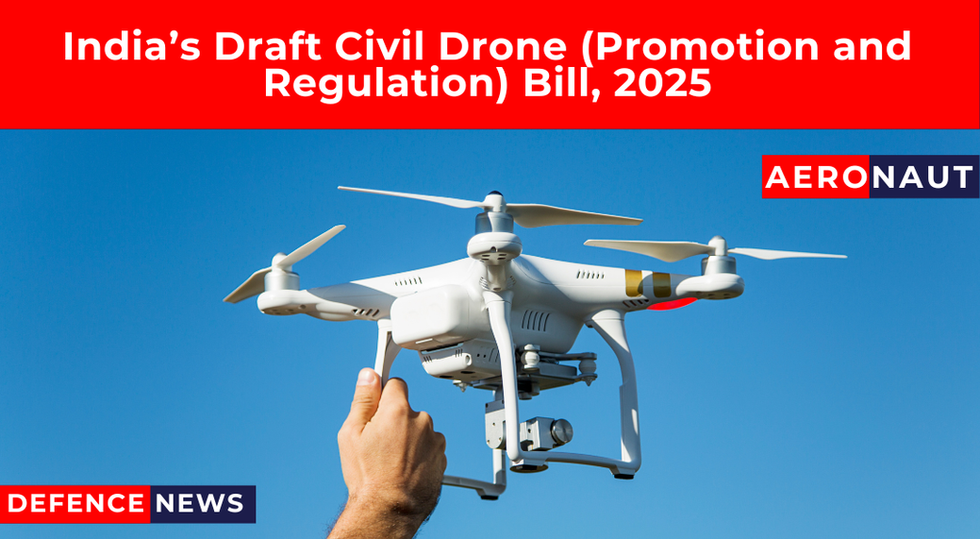
India’s drone industry, vibrant and rapidly growing, is at a potential turning point with the introduction of the Draft Civil Drone (Promotion and Regulation) Bill, 2025. While its primary aim is to create a more robust legal foundation to regulate unmanned aerial systems (UAS), stakeholders have expressed concerns that the new bill may impose heavier compliance burdens, possibly casting a shadow over startup innovation.
A Paradigm Shift in Drone Regulation
The draft legislation, released by the Ministry of Civil Aviation (MoCA) in September 2025, marks a significant departure from the more liberal Drone Rules of 2021. It introduces comprehensive certification, registration, safety, and security requirements that cover the entire lifecycle of drones—right from design and manufacture to operation and maintenance .
Key Provisions and Concerns
One of the substantial changes entails mandatory registration and the issuance of a Unique Identification Number (UIN) by the Directorate General of Civil Aviation (DGCA), which remains the primary regulator. Besides registration, the bill proposes stricter rules for safety features, record-keeping, and penalties for violations, including imprisonment of up to three years for certain infractions like unregistered operation or non-compliance with certification norms .
Although industry insiders acknowledge the necessity of regulation, many argue that the bill’s broad police powers—such as the ability to confiscate drones and impose hefty penalties—could stifle the innovative spirit of startups and small manufacturers. Critics suggest that the bill risks reintroducing compliance burdens and bureaucratic hurdles that the 2021 rules had largely mitigated .
Industry Perspectives
Proponents believe that a strongeregulatory framework will enhance safety, promote responsible drone use, and attract global investments. However, stakeholders in the drone ecosystem warn that overly restrictive regulations may hamper the agility needed for innovation and reduce India’s competitiveness as a drone manufacturing hub .
The Road Ahead
The draft bill is currently under consultation, with the government inviting feedback until mid-October. Experts advocate for a balanced approach—one that refines existing flexible rules without resorting to heavy-handed regulatory measures that could slow industry growth. Building institutional capacity, such as specialized tribunals or advisory bodies, might also help in fostering a conducive environment for drone innovation .
Conclusion
India’s proactive stance in regulating its burgeoning drone sector underscores its ambition to become a global leader. Yet, careful calibration is crucial—striking a balance between safety and innovation will determine whether the 2025 bill will serve as a catalyst for growth or a hurdle to India’s drone aspirations. Industry stakeholders remain watchful as the government seeks a pragmatic path forward.


Comments